




 nueva página del texto (beta)
 Inglés (pdf)
 Artículo en XML
 Referencias del artículo
 Traducción automática
 Enviar artículo por email
 Citado por SciELO
  Similares en
SciELO
Similares en
SciELO 
 Permalink

1. Introduction
Artificial intelligence (AI) is emerging as a transformative force in both social and economic landscapes. While the full extent of its impact on the global landscape remains to be elucidated, its adoption across diverse industries is accelerating. AI offers significant advantages to industries, including automation, predictive capabilities, enhanced process control, and optimized efficiency. Significantly, the field of academic research has embraced AI as a tool to address global challenges.
Conversely, fermentation, a well-established technique in diverse industries, continues to evolve. Its applications encompass a vast array of products, and the fermentation processes themselves are undergoing advancements toward greater innovation and sophistication.
The use of AI has increasingly optimized fermentation processes. This is exemplified by successful implementations in white wine fermentation [1]. Researchers introduced a digitalization solution for white wine fermentation, making the process compatible with advanced control systems. The core method uses a genetic algorithm-optimized and a neural network to predict alcohol and substrate concentrations based on initial fermentation settings. Another example was seen in ethanol fermentation [2], which was complex. Using cell morphological data, AI models were developed to forecast ethanol yields in yeast fermentation. A neural network proved highly effective, maintaining an R2 exceeding 0.9.
Furthermore, another application was in Lactobacillus fermentation. Current manual fermentation methods are plagued by uncertainty and human error, often leading to losses of millions of dollars. To mitigate this risk and improve efficiency, this initiative proposes a solution to digitalize the complex process by integrating AI within the context of lactic acid bacteria cultivation [3].
Finally, AI was implemented in fermentative biohydrogen production. Biohydrogen production from organic waste is an environmentally sustainable process, yet its lack of predictability due to biological complexity currently obstructs industrial scale-up. Researchers utilized Machine Learning (ML) as a technological solution to enhance the predictability and reliability of this technology [4].
Motivated by this growing trend of research, our objective is to investigate via a publication analysis the evolutionary trajectory of the synergy between fermentation processes and artificial intelligence techniques within the period from 2000 to mid-2024. Furthermore, we aim to generate extrapolations using select metrics to provide a preliminary forecast for the year 2030. This inquiry is motivated by the expanding scope of applications in both fermentation and artificial intelligence. Therefore, our research questions are:
How much has research on the use of AI in fermentation grown?
How has this intersection (fermentation and AI) evolved in terms of publications-citations, authors, institutions/countries, and knowledge categories?
What will be the document output forecast for 2030?
Given the escalating interest in AI-related fields, a substantial growth trend in the upcoming years is anticipated.
Moreover, this research addresses a critical gap in the existing literature by providing the first systematic analysis of AI's potential within fermentation processes. By examining diverse applications and current publication trends, this work serves as an essential resource, encouraging researchers in fields like biochemistry, computational sciences, and biotechnology to pursue new developments, patents, and innovations in these converging topics.
This is our proposed research structure:
Literature Review: A comprehensive review of the existing literature relevant to the research topic will be conducted.
Methodology: The methodology will explain the bibliometric analysis and forecast application.
Analysis of Results: A thorough analysis of the outcomes obtained from both the publication analysis and forecast application will be undertaken.
Conclusions: The research will culminate in well-supported conclusions based on our analyses.
2. Background, state of the art: fermentation & artificial intelligence
2.1 Fermentation techniques in diverse industries
Fermentation processes boast a remarkably diverse array of industrial applications, solidifying their position as a cornerstone technology for advancing human well-being. Fermentation is likewise considered a large-scale cultivation process employing microorganisms or their enzymatic machinery (particularly bacteria, yeasts, molds, or fungi) to drive a targeted bioconversion, resulting in the production of a specific product [5]. Further, industrialized fermentation implies rapid and efficient production, maximizing yield and consistency while minimizing complexity and cost [6].
In food processes, traditional fermentation represents one of the earliest documented food processing techniques, with independent emergence across various cultures dating back to approximately 7000 BC [7]. This technique has yielded novel food products and flavors, including alcoholic beverages, bread, and enhanced preservation methods. Fermented foods harbor probiotic microorganisms, conferring digestive and nutrient absorption benefits on human health, preventing diseases such as various pathologies-including type 2 diabetes mellitus and allergic reactions [8].
Moreover, fermented foods have been associated with a wide range of other health advantages, including reduced cholesterol concentrations, enhanced immune function, protection against infectious diseases, cancer, osteoporosis, obesity, allergic reactions, and atherosclerosis [9]. Similarly, fermentation processes generate a diverse array of bioderived chemical intermediates for large-scale industrial applications. These include commercially relevant examples such as ethanol, n-butanol, lactic acid, citric acid, and β-farnesene [10]. Additionally, fermentation holds promise for producing diverse bio-based polymers and lubricants.
Furthermore, the production of amino acids from biomass-derived feedstocks has recently achieved commercial viability or pilot/demonstration scale feasibility. Notably, these processes have primarily utilized first- generation biomass feedstocks [10].
Fermentation has another valuable application to mitigate climate change, namely gas fermentation, which utilizes carbon-fixing microorganisms and offers a recently commercialized, economically feasible source of clean energy [11].
A growing area of interest in the food fermentation industry is "precision fermentation," that involves cell-based food production. This innovative method involves cultivating cells from animals, plants, or microorganisms to create sustainable and cost- efficient food. The products generated through this process are typically similar in structure and function to traditional animal-based foods, including meat, plant-based meat, poultry, seafood, dairy, and eggs [12].
2.2 Artificial Intelligence tech in diverse industries
Alternatively, the field of AI encompasses a vast spectrum of advanced technologies dedicated to the exploration and implementation of machine intelligence. Recent years have witnessed a surge in activity within core computing subfields relevant to AI, including multimedia, distributed AI and multi-agent systems in open environments, and knowledge mining [13].
AI improves the efficiency and automation in diverse industries such as healthcare, finance, transportation, entertainment, education, cybersecurity, medicine, food, and pharmaceuticals [14].
Additionally, Machine Learning (ML), a subfield of AI, leverages a repertoire of mathematical and linguistic algorithms. These algorithms have demonstrably achieved a level of semantic comprehension and information extraction that closely resembles human capabilities. ML models have exhibited the capacity to identify abstract patterns with superior accuracy compared to some human experts [15]. A principal benefit of ML lies in its capacity for automated execution of tasks after acquiring knowledge from data [16].
AI, particularly through the integration of computer vision and machine learning algorithms, can significantly improve food safety by enabling rapid and accurate detection of contaminants [17]. ML algorithms can analyze vast datasets, including historical records, sensor data, and market trends, to improve demand forecasting and inventory management. For example, AI-driven demand forecasting can significantly reduce food waste [18].
Another form of AI is Deep Learning (DL), which is rapidly establishing itself as a revolutionary technology across diverse domains, demonstrably impacting fields such as cancer diagnostics, personalized medicine, autonomous vehicle navigation, and automatic speech recognition [19]. Moreover, another high- impact use, such as drug discovery and enhanced natural disaster prediction, represents significant DL advancements [20].
Both fraud detection and self-driving cars rely on deep learning [21]. While deep learning identifies fraud by analyzing various factors, in autonomous vehicles, it simultaneously identifies, analyzes, and reacts to multiple elements [22].
Moreover, Artificial Neural Networks (ANN) constitute a paradigm within ML, characterized by interconnected processing units termed artificial neurons. These networks are designed as adept function approximators, capable of establishing a precise mapping between input data (x) and corresponding output (y) [23].
Deep Neural Networks (DNNs) represent an evolution of ANNs, enabling them to achieve superior levels of data abstraction and handle greater complexity within the data they process [24]. Some typical applications of these cutting- edge techniques are image recognition, recommender systems for users, and natural language processing.
Having detailed various cross-industry applications of AI, the primary focus of this research now shifts to understanding how these AI techniques are specifically applied within fermentation industries (e.g., energy, food, pharmaceutical, chemical, and biochemical).
Analyzing these applications provides the necessary context to gain insights into the expected growth by 2030 and to quantify the publication output at this intersection of knowledge. Consequently, we next present several examples of AI integration with fermentation techniques.
2.3 Diverse applications of AI in Fermentation
Several studies have explored the impact of AI technology, specifically digital twin and knowledge graph applications, on enhancing traditional fermentation processes [25]. This work simultaneously highlights the challenges associated with optimizing fermentation within the context of synthetic biology. Furthermore, recent advances in computer-aided chemical engineering for precision fermentation have emphasized the crucial role of Process Systems Engineering (PSE) in these developments [26]. PSE, in particular, provides crucial tools for designing and optimizing fermentation processes.
AI technology is crucial for advancing precision fermentation, an emerging field focused on engineering "cell factories" (primarily yeast and fungi) to produce customized molecules like proteins [27].
Furthermore, sustaining ideal bioprocess conditions depends on dynamically regulating fermentation parameters. To achieve this, Reinforcement Learning (RL), a branch of Machine Learning (ML), has been applied to build adaptive control methods [28].
Decision Trees, an AI technique, offer a clear way to see how different variables relate to each other. They're useful for pinpointing the key factors that influence the taste, smell, and texture of traditional fermented foods [29]. In a recent study, researchers found that their AI model could accurately forecast ethanol production [2].
The model predicted ethanol production at a given time and at 60 minutes with considerable accuracy, achieving a coefficient of determination (R2) greater than 0.9.
Likewise, future models, by integrating AI technologies with cutting-edge genomic data, will be able to provide a clearer understanding of the complex and overlapping traits found in probiotic and non-probiotic bacterial genomes [30].
Researchers found that Support Vector Machines (SVMs) in combination with ANN were a powerful tool for classification tasks essential for quality control in brewing [31]. They're especially good at handling complex, high- dimensional data. This makes them ideal for analyzing things like raw material quality (for example, detecting defects in barley) or closely monitoring different stages of fermentation.
An application of the production of L- asparaginase by S. violaceoruber has been explored, confirmed, and predicted through an artificial neural network (ANN), which was compared against Central Composite Design (CCD) [32].
Finally, AI-powered machine learning is generating significant interest because of its wide-ranging uses in areas like bioprocess engineering, biopharmaceutical fermentative processes, and drug discovery [37].
3. Methodology
For the identification of relevant literature on the synergy between fermentation and artificial intelligence (AI), we primarily utilized the Core Collection of the Web of Science (WoS) and Scopus.
For the WoS and Scopus database investigations, a search strategy was developed based on a comprehensive literature review defining the relevant terms for AI and fermentation. The code implemented is represented by the following search formula:
fermentation OR "biomass fermentation" OR "precision fermentation" AND "artificial intelligence" OR "machine learning" OR "deep learning" OR "data mining" OR "neural network"
Exclusion criteria:
The "Abstract" field was chosen rather than the "All Fields" search option due to the enhanced specificity of the former. It was observed that employing the "All Fields" option yielded irrelevant results that did not align with the defined search criteria (e.g., articles were retrieved that contained only a segment described as "Plus keywords" related to fermentation, without addressing this topic).
Publications prior to the year 2000 were excluded from the present study.
Our selection focused on "Articles" and "Review articles" within the WoS and Scopus platforms, thereby discarding "books," "book chapters," "proceeding papers," and other document types.
To facilitate comprehension of the article selection process, we present a PRISMA-style flow table below, which details the inclusion and exclusion criteria.
Table 1: Systematic literature screening process and exclusion criteria (Web of Science and Scopus)
| Stage | Step/ Criteria applied | Records filtered |
| Identification | WoS & Scopus core collection search: Initial search using the defined query: fermentation OR "biomass fermentation" OR "precision fermentation" AND "artificial intelligence" OR "machine learning" OR "deep learning" OR "data mining" OR "neural network" | WoS: 1,571 records found. Scopus: 1,840 records found. |
| Screening | Exclusion 1: The field of search was limited to only the "Abstract" field for enhanced specificity (excluding irrelevant results from "All Fields").
|
WoS: 1,348 records found. Scopus: 1,593 records found. |
| Exclusion 2: Time Period. Limited publication years from 2000 to 2024 (excluding articles published before 2000).
|
WoS: 1,314 records found. Scopus: 1,545 records found. | |
| Exclusion 3: Document Type. Limited document types to only "Article" and "Review Article" (excluding "Books," "Proceedings Papers," “book chapters”, etc.
|
WoS: 736 records found. Scopus: 995 records found. |
Bibliometric indicators
Our research aims to determine the quantity of publications and citations published between 2000 and 2024 concerning the AI and Fermentation intersection. Moreover, we will determine which affiliations and countries have the greatest relevance in these fields, as well as the authors within the WoS and Scopus categories that publish most frequently.
Forecast method.
The Triple Exponential Smoothing (TES) algorithm, synonymous with the Holt-Winters method, will be implemented. This methodological choice is underpinned by several advantages:
Data Sparsity Accommodation: TES exhibits a robust capacity to handle limited historical data [33], aligning with the data constraints of this analysis within the WoS categories from 2013- 2023 (article production).
Long-Term Forecasting Capability: This method demonstrates efficacy in generating projections across extended timeframes, enabling extrapolation of article production to the year 2030.
The target variable for prediction is the “annual publication count”, which will serve as a proxy for assessing the ongoing growth trajectory driven by the research interest in fermentation and AI.
4. Results and analysis
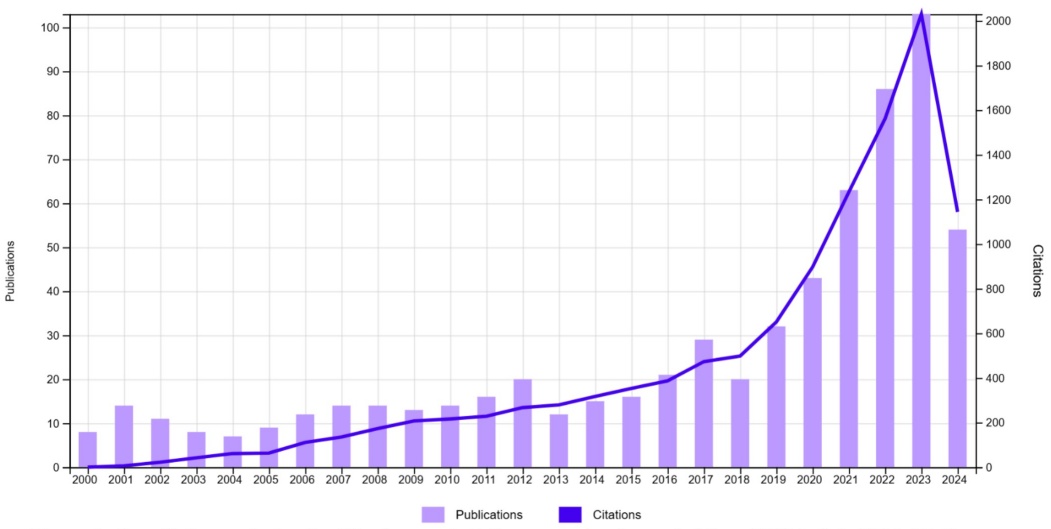
Figure 1 Quantitative analysis of publications and citations spanning the period from 2000 to July 2024 (WoS)
A positive correlation between publication and citation counts has been observed since 2000. While publication numbers exhibited fluctuations with periods of growth and decline from 2000 to 2018, a sustained upward trajectory in both publications and citations has been evident since 2019. Within the 2018-2023 period, citation counts have experienced a 308% increase, while a 415% growth has been observed in publication output. As of mid-2024 (WoS), the combined publication and citation output for the entire year of 2020 has already been surpassed. This growth in research output may be attributed to.
The combination of AI with fermentation processes is a key factor in achieving Industry 4.0 standards in biomanufacturing, turning manual, error-prone labs into fully automated, self- optimizing "smart factories.”
Additionally, by leveraging historical data, ML and DL algorithms can forecast product yields well in advance of the fermentation process being completed. This capability provides essential lead time for streamlining operational scheduling, maximizing resource efficiency, and ensuring high-standard quality assurance.
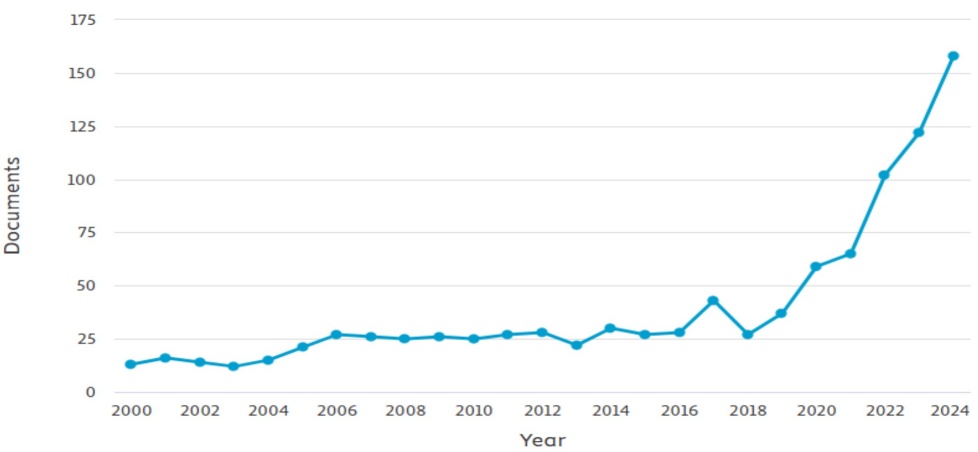
The Scopus database similarly reflects a positive trend, which became rapidly accentuated starting in 2020. The total growth observed between 2020 and 2024 is 167%, as the document count escalated from 59 to 158 over that period. This result might be driven by artificial intelligence, which has experienced significant growth, largely thanks to the popularity of chatbots and AI's ability to simplify, optimize, and improve operations across many sectors.
Table 2 Publication distribution across Web of Science categories from 2000 to July 2024
| Web of Science Categories | Record Count | % |
| Biotechnology Applied Microbiology | 217 | 33.2 |
| Engineering Chemical | 136 | 20.8 |
| Food Science Technology | 109 | 16.7 |
| Energy Fuels | 70 | 10.7 |
| Biochemistry Molecular Biology | 42 | 6.4 |
| Environmental Sciences | 40 | 6.1 |
| Computer Science Artificial Intelligence | 32 | 4.9 |
| Microbiology | 31 | 4.7 |
| Biochemical Research Methods | 30 | 4.6 |
| Engineering Environmental | 29 | 4.4 |
The leading category is Biotechnology & Applied Microbiology, a fascinating and rapidly evolving scientific field that combines the principles of microbiology (the study of microscopic organisms like bacteria, fungi, viruses, and protozoa) with biotechnology (the application of biological organisms, systems, or processes to create useful products or solve problems).
Applications in this field are wide-ranging. For instance, microbes help us produce life-saving drugs (such as antibiotics), develop vaccines, create diagnostic tests, and deliver genes for therapy. They also contribute to gut health with probiotics. In the food and beverage industry, these techniques are essential for brewing beer, making cheese, preserving food, and boosting their nutritional value. In the second and third positions are Chemical Engineering and Food Science & Technology, respectively.
These top three categories collectively encompass 70.7% of the total research output, representing 462 published documents.
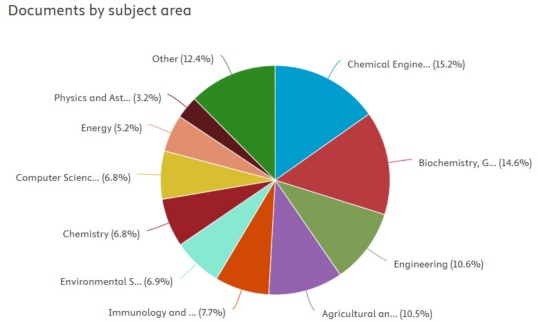
Conversely, the Scopus database employs a distinct subject classification. In this system, Chemical Engineering emerges as the field with the highest article production, accounting for 15.2% of the output. The Biochemistry, Genetics, and Molecular Biology category follows closely with 14.6%, and Engineering rounds out the top three at 10.6%. These results may be attributed to the optimization of processes. Industrial bioreactors are non-linear, dynamic systems where temperature, pH, aeration, and mixing must be perfectly managed. AI and ML models are trained to improve control.
Table 3 WoS top funding agencies worldwide at the intersection “Fermentation & AI” (period from 2000- July 2024)
| Funding Agencies | Record Count | % |
| National Natural Science Foundation of China NSFC | 94 | 14.3 |
| National Key Research Development Program of China | 25 | 3.8 |
| Fundamental Research Funds for The Central Universities | 17 | 2.5 |
| UK Research Innovation UKRI | 15 | 2.2 |
| Coordenação de Aperfeiçoamento de Pessoal de Nível Superior Capes | 12 | 1.8 |
| Conselho Nacional De Desenvolvimento Científico e Tecnológico CNPQ | 11 | 1.6 |
| Natural Science Foundation of Jiangsu Province | 11 | 1.6 |
| National Key R D Program of China | 10 | 1.5 |
| Natural Science Foundation of Shandong Province | 10 | 1.5 |
These are the organizations that provided financial support for research projects at the intersection of “Fermentation & AI”.
These agencies may be government-funded, private, or a combination of both. Analysis of funding sources provided by these agencies enables us to identify financial drivers contributing to the advancement of high-impact, cutting-edge technologies within the socioeconomic landscape.
A substantial allocation of financial resources dedicated to research within these categories originates from China. Notably, the National Natural Science Foundation of China (NSFC) and the National Key Research and Development Program of China collectively account for 18.1% of the total funding.
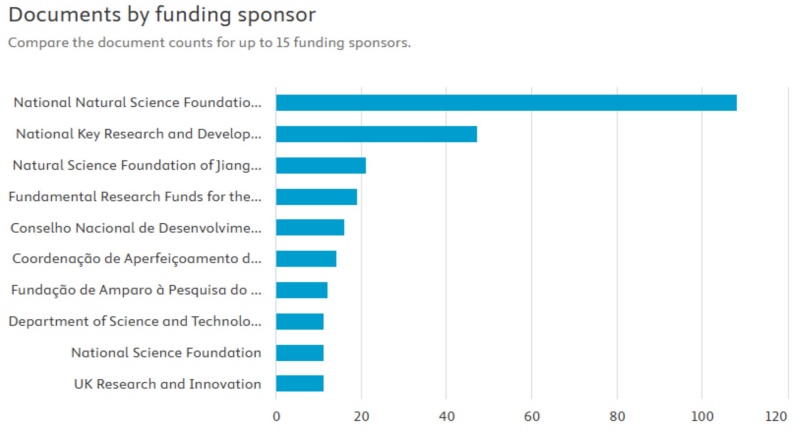
Figure 4 Quantity of documents (2000-2024) by funding sponsor within the intersection of fermentation and AI (Scopus)
Similarly, the Scopus database reveals that Chinese agencies are the predominant funders, with the top three organizations (the same as the WoS database) originating from that country. This finding underscores China's significant potential to invest in these innovative knowledge
Table 4 WoS top publication production by institution (period from 2000- July 2024)
| Institution | Documents |
| Indian Institute of Technology Systems. IT systems. | 23 |
| Jiangsu University | 22 |
| Council of Scientific Industrial Research. CSIR India. | 21 |
| Chinese Academy of Sciences. | 17 |
| Jiangnan University. | 17 |
| University of California Systems. | 13 |
| National Institute of Technology. NIT system. | 13 |
| University of California Davis. | 10 |
This section underscores the prominent role of India in scientific production within the intersection, as evidenced by the presence of two techniques. In contrast to the WoS database results, Indian funding agencies appear to be less prominent here, appearing in eighth place. Likewise, three agencies from Brazil appear as the main funders.
Indian institutions within the top three. This observation suggests India's advanced standing in this field. Conversely, three Chinese institutions occupy positions within the top five. For the past twenty years, biotechnology has been a top priority for China, and it is now seen as a key driver for the nation's "new-quality productive forces." The government has consistently poured money into biotech research.
Interestingly, China's advancements in biotech research and innovation have progressed so rapidly that its capabilities now exceed its current domestic needs in sectors like healthcare, chemicals, energy, and agriculture.
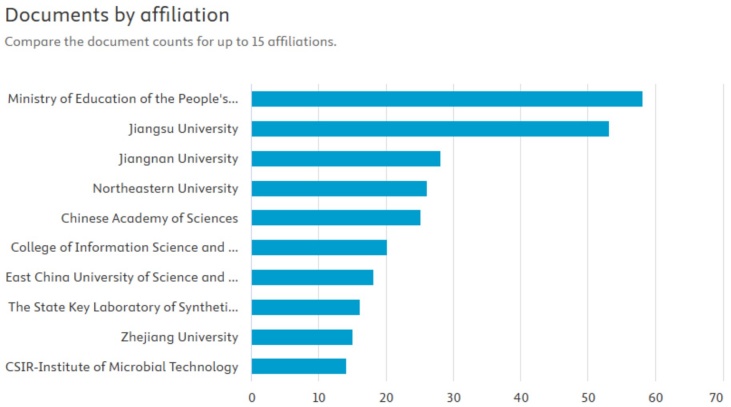
Figure 5 Quantity of documents by affiliation (2000-2024) within the intersection of fermentation and AI (Scopus)
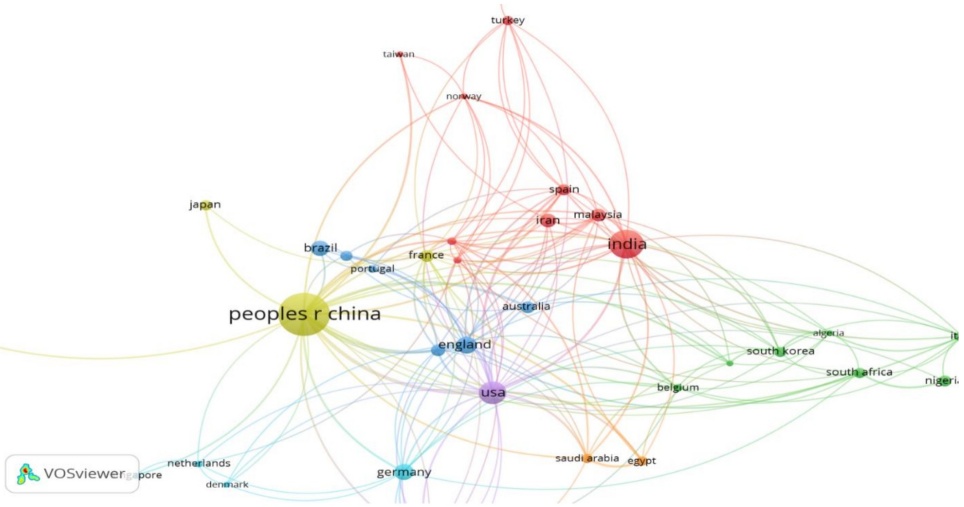
Figure 6 Article production by country with their respective co-citation nodes (period from 2000- July 2024)
The institutional analysis shows minor deviations compared to the WoS database. Notably, Indian institutions are not featured among the top-ranked affiliations in the Scopus database. Instead, Northeastern University of Massachusetts is observed to be present.
The VOSviewer software effectively illustrates the geographic distribution of article production within the intersection.
China, India, the United States, and England emerge as leading contributors in this domain. India has significant healthcare needs, and biotechnology can provide affordable solutions, including vaccines, biosimilars, and diagnostics.
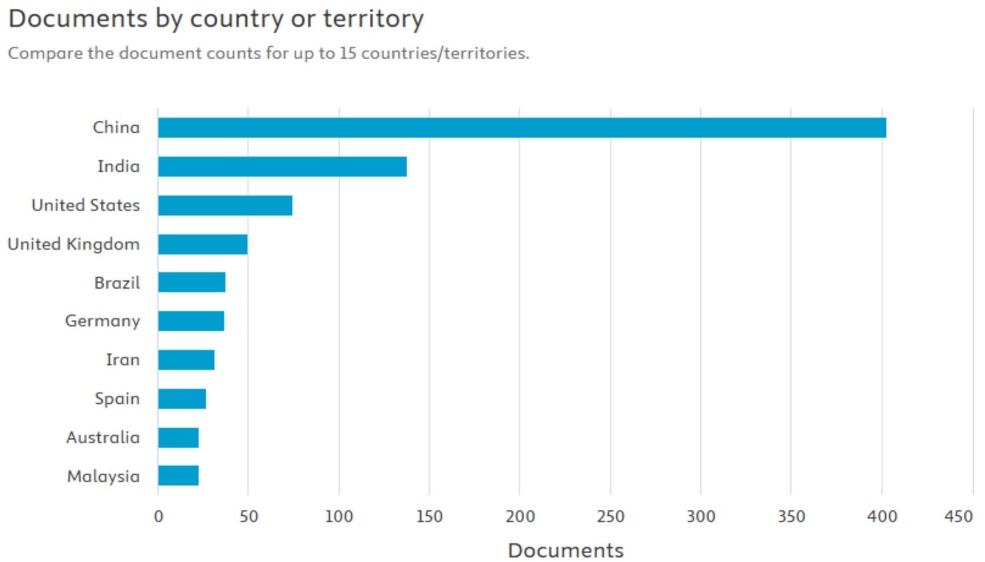
Figure 7 Quantity of documents by country (2000-2024) within the intersection of fermentation and AI (Scopus)
The Scopus database reflects the same publication pattern as the WoS data: the nations demonstrating the highest scientific output in terms of article peoduction in high-impact journals are China, India, and the United States. The parallel trajectory of publications and R&D investments observed in this graph suggests that China, India, and the US will likely sustain their prominence in this research domain. Likewise, these are some of the largest economies in the world.
The Links and Total link strength metrics quantify, respectively, the quantity and cumulative weight of connections between a given entity and others within the network [34].
For instance, in a co-authorship network, the Links attribute represents the number of collaborative relationships established by a specific researcher with their peers.
Figure 8 depicts a network of authors categorized into distinct collaborative clusters based on color differentiation. The size of each circle corresponds to the respective author's level of contibution.
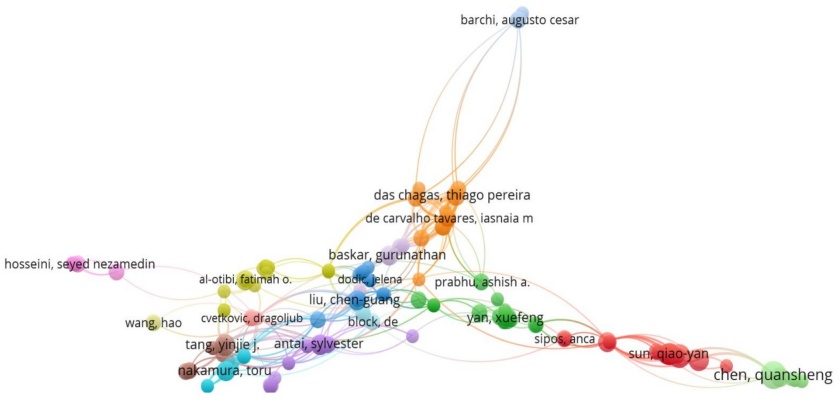
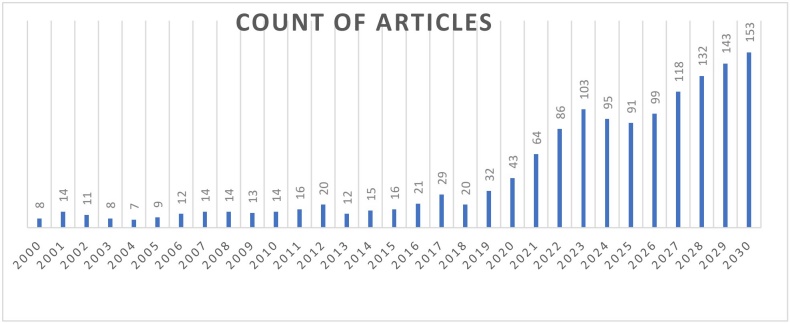
Figure 9 Forecast of published articles (2024-2030) count within the intersection Note: Data selected for forecast: from 2013 to 2023 (WoS)
To enhance forecast accuracy, the analysis period was restricted to the years 2013 to 2023 to leverage more recent data points. The graphical representation reveals a linear growth trajectory commencing in 2018. The projected publication output for the year 2030 is 153 documents within the fermentation and AI intersection, representing a 48% increase relative to the 2023 data.
This outcome aligns with the anticipated growth of the precision fermentation (PF) market, as these techniques represent a significant commercial and investment trend in the industry, despite obstacles such as regulations [35]. Numerous companies have already successfully engineered microorganisms to produce diverse proteins. The global precision fermentation market, valued at an estimated $4.01 billion in 2024, is expected to expand significantly. It's projected to grow at a Compound Annual Growth Rate (CAGR) of 43.5% from 2025 to 2030, primarily driven by rising consumer demand for products that are both sustainable and eco- friendly [36].
The anticipated market growth and the increasing use of advanced fermentation techniques for products like meat and dairy are sparking greater research interest globally, leading to more publications on these subjects.
5. Conclusions
Artificial intelligence, a transformative technology, is accelerating innovation across numerous economic sectors, including the fermentation industries. The convergence of these knowledge domains has garnered significant academic and research attention. Despite notable advancements, substantial untapped potential for development persists within these two fields.
This study provides a valuable contribution to knowledge by enhancing the understanding of the synergy between AI and fermentation techniques. Given the transformative impact of artificial intelligence on modern analysis and interpretation, this research was necessary to assist researchers, stakeholders, industries, and students in grasping the current trends and developing novel methodologies. This work fills a notable gap in the literature, as comparable comprehensive analyses for this specific intersection are currently unavailable, positioning this study as a pioneering effort.
After the execution of our analysis and forecasting methodologies, these key insights are presented:
The synergistic potential of these distinct technologies to drive the evolution of more sophisticated R&D methodologies within the fermentation domain is anticipated in the near future. Precision fermentation and biomass fermentation, as contemporary techniques, exhibit substantial promise in terms of social and economic impact, aligning with the paradigm of Fermentation Industry 4.0. Consequently, sustained investment in these areas by universities and public and private funding entities is imperative.
Our forecast projects an upward trajectory in global publication output, potentially indicative of expanding R&D activities and technological progress at the intersection.
Authors from China and India emerge as dominant contributors to this knowledge intersection, with Brazilians exhibiting a notable presence. The collective influence of the BRICS bloc is evident in this domain. Concurrently, the United States, particularly through some of its universities, demonstrates a moderate growth trajectory in publication output.
This research provides valuable insights for funding agencies, industry stakeholders, and researchers seeking to comprehend the evolutionary trajectory of AI and fermentation and how it has evolved recently, assisting the development of technologies. Additionally, the findings offer a strategic roadmap for biotechnology and AI programming students aspiring to navigate the emerging trends anticipated for 2030.

