




 nueva página del texto (beta)
 Inglés (pdf)
 Artículo en XML
 Referencias del artículo
 Traducción automática
 Enviar artículo por email
 Citado por SciELO
  Similares en
SciELO
Similares en
SciELO 
 Permalink
1 Introduction
The field of digital twins and their impact on industrial machinery has garnered increasing interest recently. With a focus on integrating advanced technologies to extend machinery lifespan, extensive research has been conducted to clarify the effective implementation and maximize the utilization of these innovations.
The digital twin emerges as an essential component to ensure the efficiency of technologies and infrastructure, thereby benefiting operators. Scientific studies and papers play a crucial role in providing informed perspectives and recommendations. In their research, Liu, Yuhui, and colleagues [62] identify that the high costs of sustainable construction, the scarcity of information, and limited automation pose barriers to the advancement of the industry and the achievement of its goals.
They propose a system inspired by manufacturing and based on digital twins, designed after a rigorous analysis of requirements and theoretical principles, to optimize operational cost management in sustainable construction.
Jiang [63] highlights the proposal of implementing digital twin technology along with BIM (Building Information Modeling) to enhance the construction of smart buildings. The approach focuses on simulating and managing the construction process through BIM, facilitating the identification of issues and the formulation of action plans effectively.
This approach is supported by simulation experiments that validate the feasibility of these techniques for future practical application. On the other hand, the research by Zheng and colleagues [64] emphasizes that structural collapses in engineering have devastating consequences. Investigating their causes presents challenges through conventional methods, often due to discrepancies between analysis and in-situ investigation.
They propose an innovative methodology based on digital twins, which employs virtual models to simulate and synchronize pre- and post-collapse phases. In the paper by Zhao and colleagues [65], the challenge of climate change and the issue of excessive carbon emissions faced by the global energy sector are addressed.
In this context, the integration of Building Information Modeling (BIM) emerges as a key strategy within the scope of digital construction for the renovation of existing buildings. The research highlights the use of three-dimensional technology in evaluating modernization initiatives, focusing on optimizing energy performance through the near-zero energy buildings paradigm.
Wang and his team of five researchers [66] have explored methods to restructure production and address the growing complexity in the integration of components within Internet of Things (IoT) systems applied to the energy sector. This increasing complexity has resulted in high lifecycle management costs for these systems, which encompass everything from data service delivery to operational monitoring and security.
The paper suggests an innovative model using digital twins to reconstruct and visualize energy production data, capturing, analyzing, identifying, and predicting these data in real-time for further digitalization. Liu and his research group [67] have acknowledged that, although safety in prestressed steel structures is an already explored field, existing methodologies present limitations in terms of scope and high cost. Digital twins emerge as a promising alternative, allowing continuous monitoring of the behavior of such structures over time.
The findings reveal that digital twins enable real-time monitoring and provide timely safety predictions for prestressed steel structures, offering an innovative methodology for risk estimation. Cheng and colleagues [68] have highlighted that the synergy between visual control and digital twins has the potential to significantly increase efficiency in intelligent manufacturing processes. However, they recognize that the accuracy of this technology depends on the synchronization between vision and movement.
To improve precisión, neural networks are used to correlate errors observed in 2D images with speeds in a 3D space, thereby enhancing the reliability of visual control. This approach promises to overcome the limitations of traditional methods and foster better model generalization.
Kaczmarek and his team [69] have demonstrated the feasibility of manipulating industrial machines, also referred to as "modern robots," through gestures and voice commands. The control of these machines is facilitated by specially developed software that allows the robot to operate both offline and online.
The results demonstrated effective recognition of gestures and voice commands, causing minimal interference with the robot's cycle time. Additionally, the resulting programs are modular and easily adaptable to different applications.
The work of Perno and colleagues [70] focuses on analyzing the various applications and fields of study in which digital twins have been implemented, highlighting their revolutionary role in how manufacturing companies utilize data to improve supply chains. Through the incorporation of machine learning techniques, digital twins have the potential to provide crucial insights for improving manufacturing processes.
In their research, Dubarry and colleagues [71] provide an exhaustive analysis of lithium-ion batteries, which are crucial components for advancing toward a low-carbon future. The performance of these batteries is affected by a series of intricate factors. The results of the study are valuable for understanding current trends and predominant methodologies in the field of industrial machinery, as well as guiding future research and technological development in this area.
Eaty and Bagada [72] have explored how cyber-physical systems can drive the optimization of industrial processes, thereby contributing to greater environmental protection through the use of batteries in data transfer. In the context of green transportation, electric vehicles become an essential element, and the ability to accurately estimate the state of health and the charge level of their batteries is fundamental to ensuring safe operation and prolonging their lifespan.
The study by Zeb and colleagues [73] highlights the existing gaps in combining technologies aimed at merging the physical and digital worlds through cyber-physical systems and digital twins. The study delves into the value that these technologies bring, especially when considering innovations like 5G networks and machine learning, and discusses both strategies for their implementation and the challenges involved in their adoption.
In the study conducted by Miao and Lan [74], an innovative intelligent logistics management system has been introduced as a solution to the shortcomings observed in the traditional logistics system of their country.
The results of experimental simulations underline the effectiveness of image processing through visual sensors, achieving a distribution accuracy of over 99.5% and an improvement in distribution efficiency of approximately 26.5%. On the other hand, the analysis by Meng and Liu [75] reveals a novel packaging design employing 3D digital image processing technology to enhance packaging quality in industrial environments.
Additionally, a decision analysis algorithm was developed to prevent redundant identification of moving objects, representing a significant advancement in the automation and efficiency of logistical and industrial processes.
Finally, Shih [76], in his research, makes a significant contribution to the field of industrial machinery by presenting a method to optimize manual inspection in the textile and apparel industry through the use of digital image processing technologies.
This method incorporates advanced digital imaging technology and operates on the LabVIEW platform for efficient image measurement and processing. The integration of neural networks, support vector machines, and deep learning techniques facilitates a notable improvement in the ability to identify and classify garment images, highlighting its potential to revolutionize quality control processes in the fashion industry.
The field of digital twins generates vast interest and research activity, reflected in the analyzed studies that explore their multiple dimensions and critical aspects, such as technology adoption, impact assessment, management strategies, interdisciplinary collaboration, and sustainability. Based on this review, it has been determined which scientific journals lead in research productivity on digital twins, and their quartile level is also relevant, reflecting their prestige and quality.
Moreover, a trend of international collaboration in publishing these papers is observed, indicative of joint efforts globally to advance in this emerging field. Therefore, the objective of this paper is to determine how digital twins are being used in industrial machinery through a systematic literature review on the state of the art regarding digital twins and their impact on industrial machinery.
The paper presents a detailed and methodical description of the phases carried out during the systematic literature review. Section 2 introduces the context and preliminary information necessary for understanding the study. Section 3 meticulously breaks down the methodology used in the review. The findings and their corresponding analysis are presented in Section 4. Finally, Section 5 discusses the conclusions and outlines possible directions for future research.
2 Theoretical Background
This section details the definitions of the studied and analyzed variables, as well as describes the tools used.
2.1 Digital Twin
Grieves and Vickers [77] conceptualize the digital twin as an informative virtual replica that encompasses a manufactured physical product, ranging from tiny dimensions to substantial magnitudes, establishing that any tangible product that can be examined and from which information can be collected can be represented by a digital twin.
On the other hand, NASA [78] specifies that, for spacecraft, a digital twin constitutes a probabilistic, multi-physics, and multi-scale simulation, incorporating the most advanced physical models, sensor updates, and operational history to accurately replicate the experience of its counterpart in flight.
Within the framework of Industry 4.0, the term acquires the dimension of a realistic computational model, created through the integration of sensor data, mathematical models, and analytical tools, generating a virtual replica of the monitored system [79]. These high-fidelity virtual models allow, for instance, estimating the remaining lifespan of a machine and evaluating its performance under different operational conditions [80].
2.2 Industrial Machinery
We take as a starting point the definition by [5], who characterizes industrial machinery as an assembly of mechanisms designed to transform velocities and forces, forming a system in which the components interact to execute movements that facilitate the accomplishment of a specific task.
Complementing this perspective, [83] defines industrial machinery as a mechanical, electrical, or electronic artifact, meticulously designed and constructed to carry out tasks or productive processes within an industrial or manufacturing environment.
These machines are conceived to operate under demanding work conditions and to execute repetitive or complex tasks with efficiency and precisión.
2.3 Tools Used
In the development of this work, it is imperative to highlight the valuable contribution of Mendeley as a reference management tool for organizing the papers. Furthermore, for the creation of the analytical graphs presented in the results and discussion section, extensive use was made of the research assistant RAj, an innovation by Dr. Javier Gamboa-Cruzado, whose functionality has been decisive in the integrity and effectiveness of our analysis.
3 Review of the Method
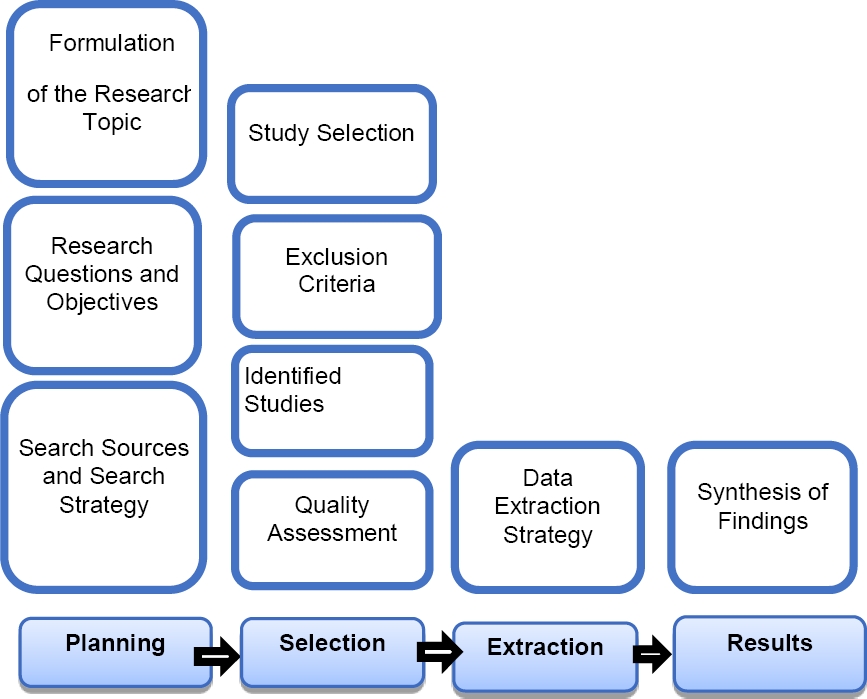
In the preparation of this review paper, the Systematic Literature Review (SLR) approach was followed, based on the guidelines proposed by Kitchenham. This method involves a series of well-defined stages: formulating research questions and objectives, identifying sources and search strategies, selecting studies through specific exclusion criteria, rigorously assessing the quality of studies, meticulously extracting data, and finally synthesizing and analyzing the findings obtained.
Each of these steps, crucial for the integrity and validity of the review, is detailed in Figure 1, providing a clear outline of the implemented process.
3.1 Research Questions
Given the breadth and depth of research on the application of digital twins and their impact on industrial machinery, there is an imperative need to develop specific and well-targeted search strategies. In this context, research questions (RQ) play a crucial role.
To effectively address this need, eight research questions have been formulated, each with clearly defined objectives. These questions and their objectives are detailed below and are presented in Table 1, providing a clear and focused framework for guiding the research.
Table 1 Research questions and objectives
| Research Question | Objective |
| RQ1: What technologies are used in a Digital Twin for Industrial Machinery? | To identify the technologies used in a Digital Twin for Industrial Machinery |
| RQ2: What are the most frequent words in the titles of Digital Twins and Industrial Machinery? | To detail the most frequent words in the titles of digital twins and industrial machinery |
| RQ3: What are the quartile levels of the journals where research on the effect of digital twins on industrial machinery has been published? | To determine the quartile levels of the journals where research on the effect of digital twins on industrial machinery has been published |
| RQ4: Which scientific journals are the most productive in terms of digital twins and their impact on industrial machinery? | To identify the most productive scientific journals regarding digital twins and their impact on industrial machinery |
| RQ5: What are the clusters of papers whose abstracts are characterized by high and low polarity in research on Digital Twins and their impact on Industrial Machinery? | To recognize the clusters of papers whose abstracts are characterized by high and low polarity in research on Digital Twins and their impact on Industrial Machinery |
3.2 Information Sources and Search Equations
For the search of relevant research articles in this study, a variety of renowned bibliographic databases were utilized, including IEEE Xplore, Web of Science, Scopus, EBSCOhost, ProQuest, Hindawi, and ScienceDirect. The adopted search strategies focused on the use of specific keywords and their synonyms, as detailed in Tables 2 and 3. This methodology allowed for an efficient and focused tracking of literature pertinent to the study topic, thereby ensuring broad and representative coverage in data collection.
Table 2 Information sources and search equations
| Source | Search Equation |
| IEEE Xplore | ("Document Title": "digital twin" OR "Document Title": "virtual twin" OR "Document Title": "cyber twin" OR "Document Title": "virtual replica" OR "Document Title": "digital replica" OR "Document Title": "digital clone") AND ("Document Title": "industrial machines" OR "Document Title": "industrial equipment" OR "Document Title": "machinery" OR "Document Title": "industrial devices" OR "Document Title": "manufacturing machines" OR "Document Title": "industrial tools") OR ("Abstract": "digital twin" OR "Abstract": "virtual twin" OR "Abstract": "cyber twin" OR "Abstract": "virtual replica" OR "Abstract": "digital replica" OR "Abstract": "digital clone") AND ("Abstract": "industrial machines" OR "Abstract": "industrial equipment" OR "machinery" OR "Abstract": "industrial devices" OR "Abstract": "manufacturing machines" OR "Abstract": "industrial tools") OR ("Author Keywords": "digital twin" OR "Author Keywords": "virtual twin" OR "Author Keywords": "cyber twin" OR "Author Keywords": "virtual replica" OR "Author Keywords": "digital replica" OR "Author Keywords": "digital clone") AND ("Author Keywords": "industrial machines" OR "Author Keywords": "industrial equipment" OR "Author Keywords": "machinery" OR "Author Keywords": "industrial devices " OR "Author Keywords": "manufacturing machines" OR "Author Keywords": "industrial tools") |
| Web of Science | ((TI=((“digital twin” OR “virtual twin” OR “cyber twin” OR “virtual replica” OR “digital replica” OR “digital clone” ) AND (“industrial machines” OR “manufacturing machines” OR “industrial equipment” OR “machinery” OR “industrial devices” OR “industrial tools”))) OR AB=((“digital twin” OR “virtual twin” OR “cyber twin” OR “virtual replica” OR “digital replica” OR “digital clone” ) AND (“industrial machines” OR “manufacturing machines” OR “industrial equipment” OR “machinery” OR “industrial devices” OR “industrial tools”))) OR AK=((“digital twin” OR “virtual twin” OR “cyber twin” OR “virtual replica” OR “digital replica” OR “digital clone” ) AND (“industrial machines” OR “manufacturing machines” OR “industrial equipment” OR “machinery” OR “industrial devices” OR “industrial tools”)) |
| Scopus | TITLE-ABS-KEY ((“digital twin" OR "virtual twin” OR “cyber twin" OR "virtual replica" OR "digital replica" OR "digital clone" ) AND ( "industrial machines" OR "manufacturing machines" OR "industrial equipment" OR "machinery" OR "industrial devices" OR "industrial tools" ) ) |
| EBSCOhost | TI ( ("framework" OR "reference framework" OR "development platform" OR "frame of reference" OR "job description" OR "development architecture" OR "development infrastructure" OR "development structure" OR "development scheme") AND ("smart cities" OR "digital cities" OR "technological cities" OR "sustainable cities" OR "smart city" OR "digital city" OR "technological city" OR "sustainable city") ) OR AB ( ("framework" OR "reference framework" OR "development platform" OR "frame of reference" OR "job description" OR "development architecture" OR "development infrastructure" OR "development structure" OR "development scheme") AND ("smart cities" OR "digital cities" OR "technological cities" OR "sustainable cities" OR "smart city" OR "digital city" OR "technological city" OR "sustainable city") ) OR SU ( ("framework" OR "reference framework" OR "development platform" OR "frame of reference" OR "job description" OR "development architecture" OR "development infrastructure" OR "development structure" OR "development scheme") AND ("smart cities" OR "digital cities" OR "technological cities" OR "sustainable cities" OR "smart city" OR "digital city" OR "technological city" OR "sustainable city") ) |
| ProQuest | title((“digital twin” OR “virtual twin” OR “cyber twin” OR “virtual replica” OR “digital replica” OR “digital clone”) AND (“industrial machines” OR “manufacturing machines” OR “industrial equipment” OR “machinery” OR “industrial devices” OR “industrial tools”)) OR abstract((“digital twin” OR “virtual twin” OR “cyber twin” OR “virtual replica” OR “digital replica” OR “digital clone”) AND (“industrial machines” OR “manufacturing machines” OR “industrial equipment” OR “machinery” OR “industrial devices” OR “industrial tools”)) |
| Science Direct | Title, abstract, keywords: (“digital twin” OR “virtual twin” OR “cyber twin” OR “virtual replica” OR “digital replica” OR “digital clone”) AND (“industrial machines” OR “manufacturing machines” OR “industrial equipment” OR “machinery” OR “industrial devices” OR “industrial tools”) |
| Hindawi | Title, abstract: (“digital twin” OR “virtual twin” OR “cyber twin” OR “virtual replica” OR “digital replica” OR “digital clone”) AND (“industrial machines” OR “manufacturing machines” OR “industrial equipment” OR “machinery” OR “industrial devices” OR “industrial tools”) |
Table 3 Search descriptors and their synonyms
| Descriptor | Synonyms |
| digital twin | “digital twin” OR “virtual twin” OR “cyber twin” OR “virtual replica” OR “digital replica” OR “digital clone” |
| industrial machines | “industrial machines” OR “manufacturing machines” OR “industrial equipment” OR “machinery” OR “industrial devices” OR “industrial tools” |
3.3 Identified Studies
After conducting the search using the corresponding equations, a wide range of papers were identified. The exact distribution and quantity of these papers, segmented by each data source used, can be seen in detail in Figure 2.
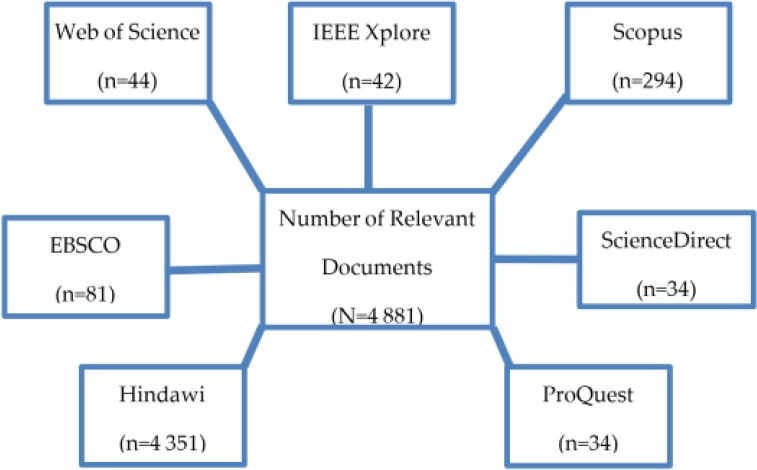
This breakdown offers a clear perspective of the contribution of each bibliographic database to the total body of literature collected for this study.
3.4 Selection Criteria
In this phase of the study, rigorous exclusion criteria were implemented to accurately assess the quality of the collected literature. The review of the papers was carried out based on these specific criteria, which were essential to ensure that only the most relevant and high-quality studies were included in the final analysis:
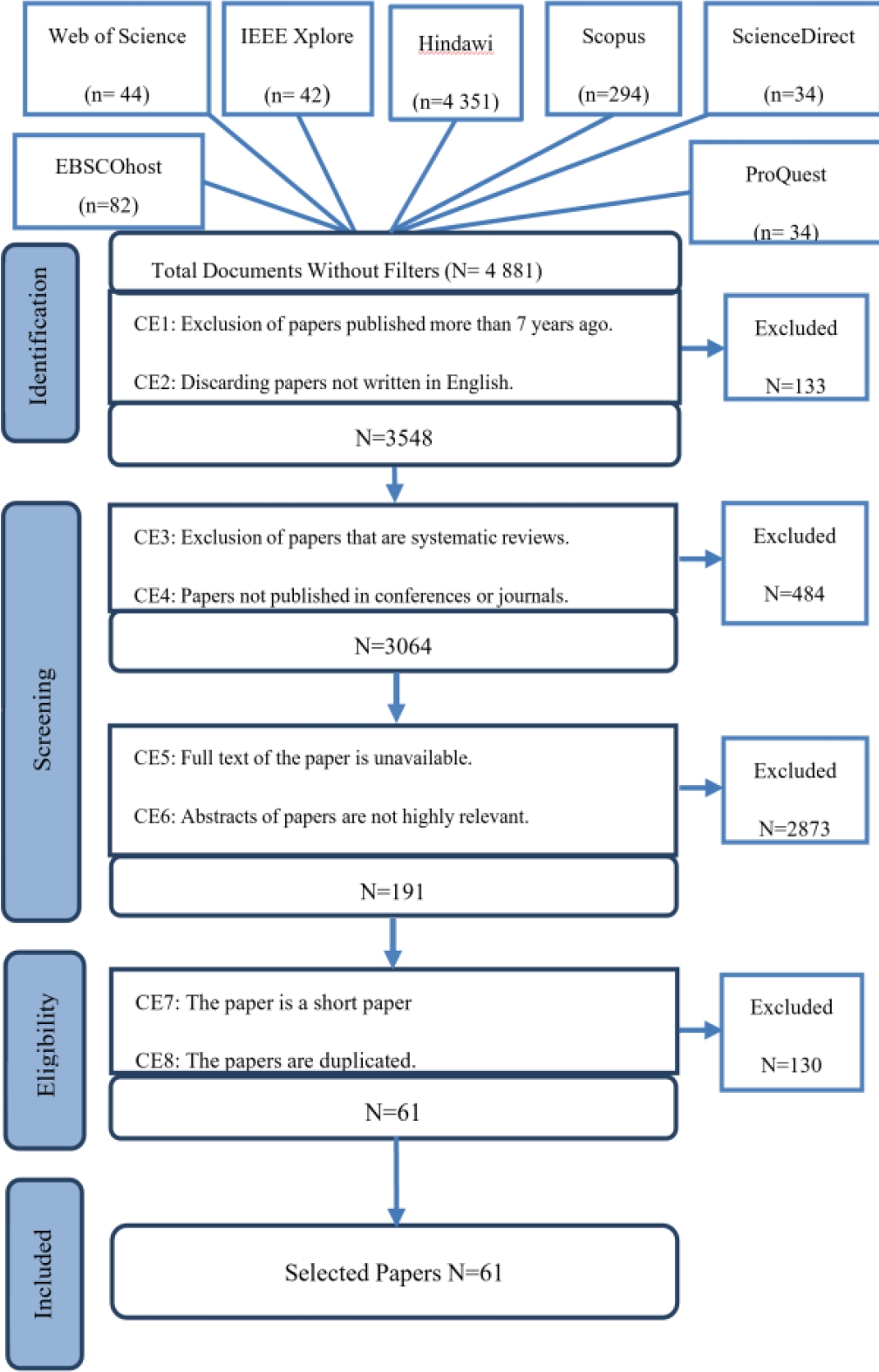
EC1: Exclusion of papers published more than 7 years ago, to ensure the information is current and relevant.
EC2: Exclusion of papers not written in English, to maintain consistency and ease of analysis throughout the review process.
EC3: Exclusion of papers that are systematic reviews, focusing instead on original research studies.
EC4: Only papers published in peer-reviewed conferences or journals were included to ensure academic rigor.
EC5: Full-text access to the paper was required for a thorough evaluation; therefore, those not available in full were discarded.
EC6: Papers whose abstracts were not relevant to the research topic were excluded.
EC7: Short papers under 10 pages were excluded, prioritizing studies with more depth and detail.
EC8: Duplicate or non-unique papers were eliminated to avoid redundancy in the analysis.
3.5 Selection of the Material
The initial search, conducted using keywords pertinent to the study, resulted in the identification of 4 881 documents. Subsequently, the previously established exclusion criteria were applied to all these papers. This meticulous application of the exclusion criteria significantly reduced the number of relevant papers, culminating in a total of 61 papers selected for review. The entire selection and filtering process, as well as the final number of papers selected, are illustrated in detail in Figure 3, which represents the PRISMA diagram.
3.6 Quality Assessment
In this stage of the study, the quality of the 61 selected papers was assessed after applying the exclusion criteria. To ensure and validate the quality of these papers, six quality criteria (QA) were implemented. These criteria were meticulously applied to each of the papers and are detailed in Table 4.
Table 4 Quality assessment criteria
| QA | Quality Criteria |
| QA1 | Does the paper focus on pure research? |
| QA2 | Are the data collection instruments properly referenced? |
| QA3 | Is the full text of the document available? |
| QA4 | Is the specific area of the subject clearly defined? |
| QA5 | Does the document explain the context in which the research was detailed? |
| QA6 | Is the researcher an engineer and holds a postgraduate degree? |
An exhaustive review of the full text of each paper was carried out, evaluating its quality according to the established assessment criteria. Notably, all the reference studies fully met these quality controls. It is worth mentioning that the selected papers, based on rigorous quality criteria, proved to be suitable for advancing this research.
Consequently, it is considered that the collection of results obtained for this study is of high quality, which reinforces the reliability and validity of the conclusions and findings presented.
3.7 Data Extraction Strategies
In this phase of the study, a list of recent papers was used to extract pertinent information and accurately answer the research questions posed. The information collected from each paper encompasses several aspects, including: paper ID, title, URL, ISSN, source, year of publication, country of origin, number of pages, language, type of paper (e.g., original study, review, etc.), name of the journal or conference where it was published, authors, stakeholder groups involved, number of citations received, a detailed abstract, journal quartile, keywords, and the main conclusions of the study.
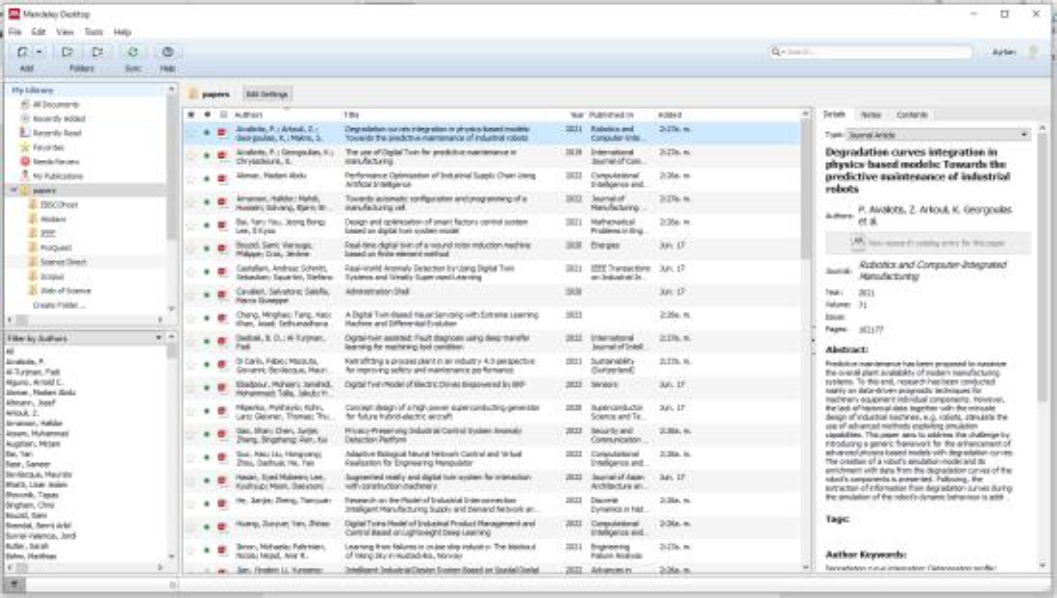
It is important to note that while each paper provides valuable information, not all contribute directly to answering each of the research questions, due to the diversity and specificity of their content and approaches. For paper classification, the Mendeley Desktop tool was used to manage the data, as shown in Figure 4.
3.8 Synthesis of Findings
Finally, the information extracted in response to the research questions was carefully tabulated and presented as quantitative data. These data were used to perform statistical comparisons between the findings associated with each research question. The statistical analyses conducted revealed various patterns and trends in the research field over the last seven years. These trends, derived from a quantitative and comparative approach, provide a detailed view of the evolution and prevailing directions in the field during this period.
4 Results and Discussion
4.1 General Overview of the Studies
This section of the paper presents answers to the formulated research questions, supported by charts, tables, and other visual resources. Additionally, it describes the analyzed studies, providing a detailed evaluation and establishing comparisons with previous research. This approach not only facilitates the understanding of the findings but also allows for discerning patterns, correlations, and significant differences among the various studies examined. The integrated discussion of these results contributes to a deeper understanding of the researched topic, highlighting both convergences and divergences in the findings of the current literature.
4.1 General Description of the Studies
The concept of Digital Twin has generated increasing interest among researchers, academics, and professionals from various disciplines recently. This surge is due to the incorporation of advanced technologies aimed at extending the lifespan of industrial machines, optimizing their performance, and boosting productivity.
To understand the breadth and development of this field, a meticulous analysis of scientific publications was conducted. The number of studies and papers specifically focused on Digital Twins published over the past seven years was examined. The results of this analysis, reflecting the volume of publications generated year by year during this period, are illustrated in Figure 5.
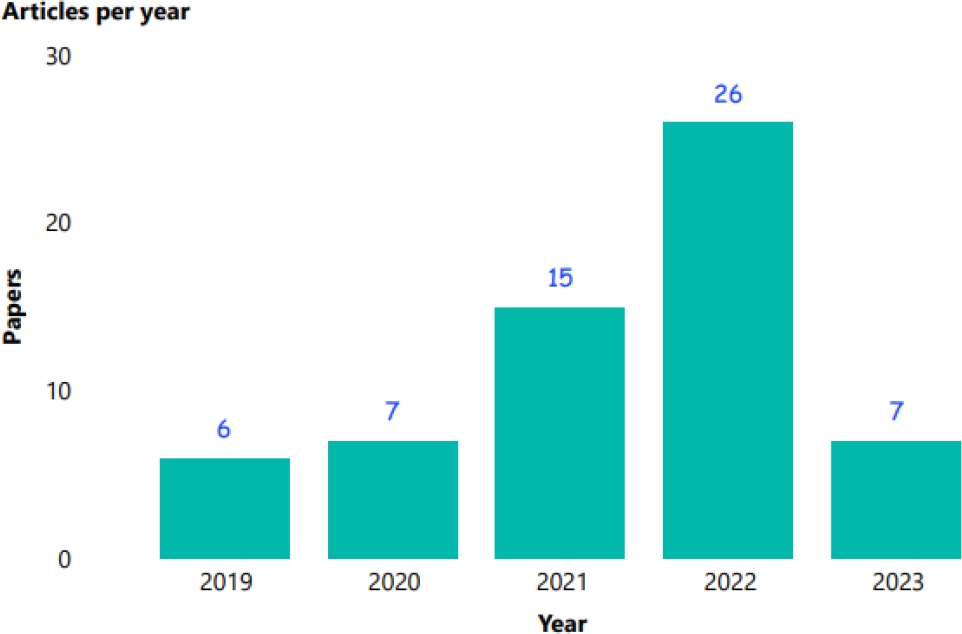
From 2019 to 2022, the number of publications progressively increased, indicating growing interest and expansion in research within the studied field. The decline in paper production is logical since 2023 has not yet concluded, which means less time has passed to generate and publish new papers compared to the previous year. The peak in 2022 suggests a significant event that stimulated research that year, possibly an important technological advancement, a change in funding policy, or increased international collaboration in this field.
The statistics mentioned suggest that 2023 is likely to surpass 2022 in terms of paper production. This could be due to various reasons. For instance, there could be a decrease in the number of researchers dedicated to producing papers this year, resulting in fewer publications. It is also possible that only the first quarter of 2023 has been recorded, leading to an overall increase in the number of studies published.
On the other hand, Kukushkin, Ryabov, and Borovkov [88] highlight 2021 as the most productive year for research on this topic in their review, clarifying that their paper was published in 2022. Guillaume, Laurent, and Mauricio [91] also indicate 2021 as the most productive year in their review, thus coinciding with the current research and previously published studies. However, Böttjer and collaborators [85] describe 2020 as the year that contributed the most papers to their research.
To explain why this happens, it can be summarized into three points that authors consider when analyzing and selecting papers. The first is the years covered, which, in this case, are the same for all, except for the scope handled by each author for reviewing papers. The second relates to the bibliographic sources used by each author to search for papers.
And the third involves the criteria each author uses to include and exclude papers from each source. The second and third points better explain why there might sometimes be differences in the years contributing most to a review.
It is true that the number of papers produced in a year can vary depending on exclusion criteria and bibliographic sources used in different studies. The variability in results may be attributable to different factors, such as the selected databases, languages considered, inclusion and exclusion criteria, and search methods employed. Given that the methodology used to select research can differ between authors, it is possible that they do not coincide regarding the most productive years of papers on digital twins. This highlights the importance of being transparent and clear about the methodology used when conducting a systematic review.
It is worth noting that the application of digital twins and their impact on industrial machinery is a topic of growing global interest. Various countries have devoted significant efforts to research and development in this area, generating a constantly expanding body of knowledge. An analysis was carried out to determine which countries lead in productivity in this field. A variety of sources, such as scientific publications or conferences, were examined to identify the studies and research conducted by each country. Figure 6 shows the most productive countries in this field, based on the number of publications and scientific contributions they have made.
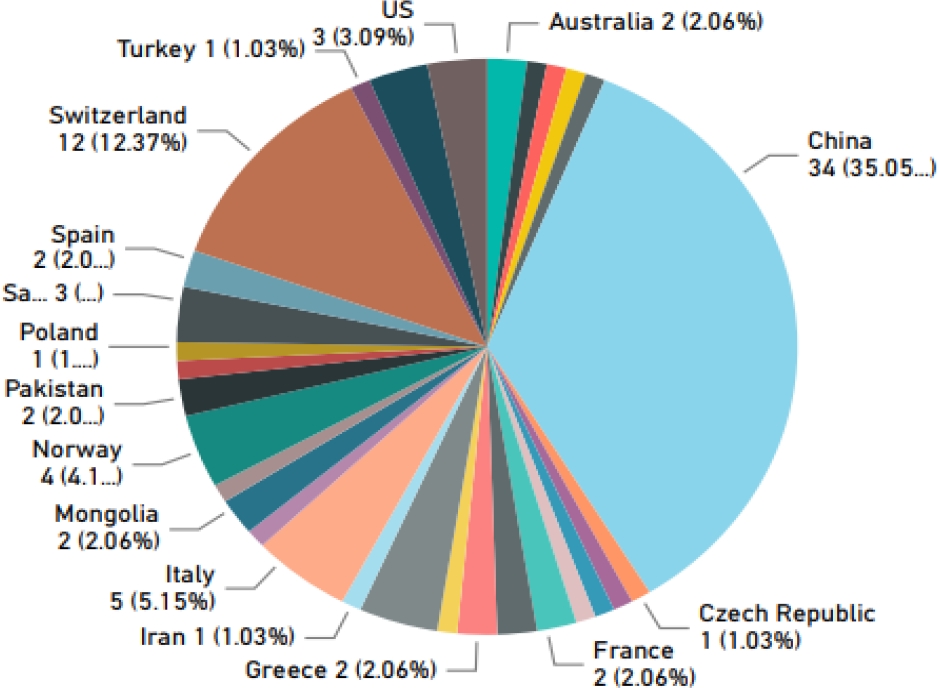
In the present research, it has been determined that China has made the largest contribution, with a total of 34 papers. In second place is Switzerland, with 12.37%, followed by Italy. These findings indicate that the Asian country has a significant presence in the topic under study, suggesting that Asia plays a relevant role in this specific field of study.
The greater presence of Asian countries compared to other continents may indicate the importance and interest given to the topic in the region. This could be related to several factors, such as the research focus in Asian academic institutions, government support for scientific research, and the development of infrastructure and capabilities in the specific field.
These findings do not imply that countries from other continents do not make significant contributions to the topic under study. However, they highlight the relevance and leadership of the Asian continent in this specific area. The diversity of countries present in the graph reflects a global interest in the topic, with participation from countries of different regions and levels of technological development.
In the research conducted by Böttjer and collaborators [85], it is established that China is the country that contributed the most to the systematic review in question, followed by the United States and Germany in second and third place. This study highlights China's significant contribution in terms of analyzed and reviewed papers.
On the other hand, Lim and colleagues [81] present a similar approach, also highlighting China as the most productive country in their research, again followed by the United States and Germany. In contrast, Yang and co-authors [86] identify the United States as the most productive country in their research. However, it is clarified that, compared to the other reviews, this one is based on data until 2020, from which it can be deduced that China developed more papers during 2021 and 2022.
These findings demonstrate that conclusions about the most productive countries may vary depending on the specific research and the criteria used to determine each country's contribution. Moiceanu and Paraschiv [87] also define China as the leading country in their study, followed by the United States and Italy. Their study reinforces the gap with Asian countries as they have a greater presence.
Knowing each country's contribution to research can provide a global perspective, identify gaps and opportunities, foster collaboration, and contribute to the strategic planning of future research. It is essential to collect detailed data on the affiliation of the authors and conduct a careful analysis to obtain meaningful and relevant information regarding country contributions.
The prominence of certain countries may reflect their national research and development priorities, as well as the presence of industries that directly benefit from advances in digital twins. The variety of contributors indicates potential for international collaboration and knowledge exchange, which is crucial for the advancement of any technological field. China's predominance suggests that Asia, specifically China, could be a very active research hub for the topic at hand.
Similarly, a table has been compiled indicating the level of similarity between two papers concerning their titles. Figure 7 provides a detailed view of the degree of similarity between the titles of two papers. The yellow similarities represent a similarity of less than 60%, while the red color indicates a similarity greater than 60%.
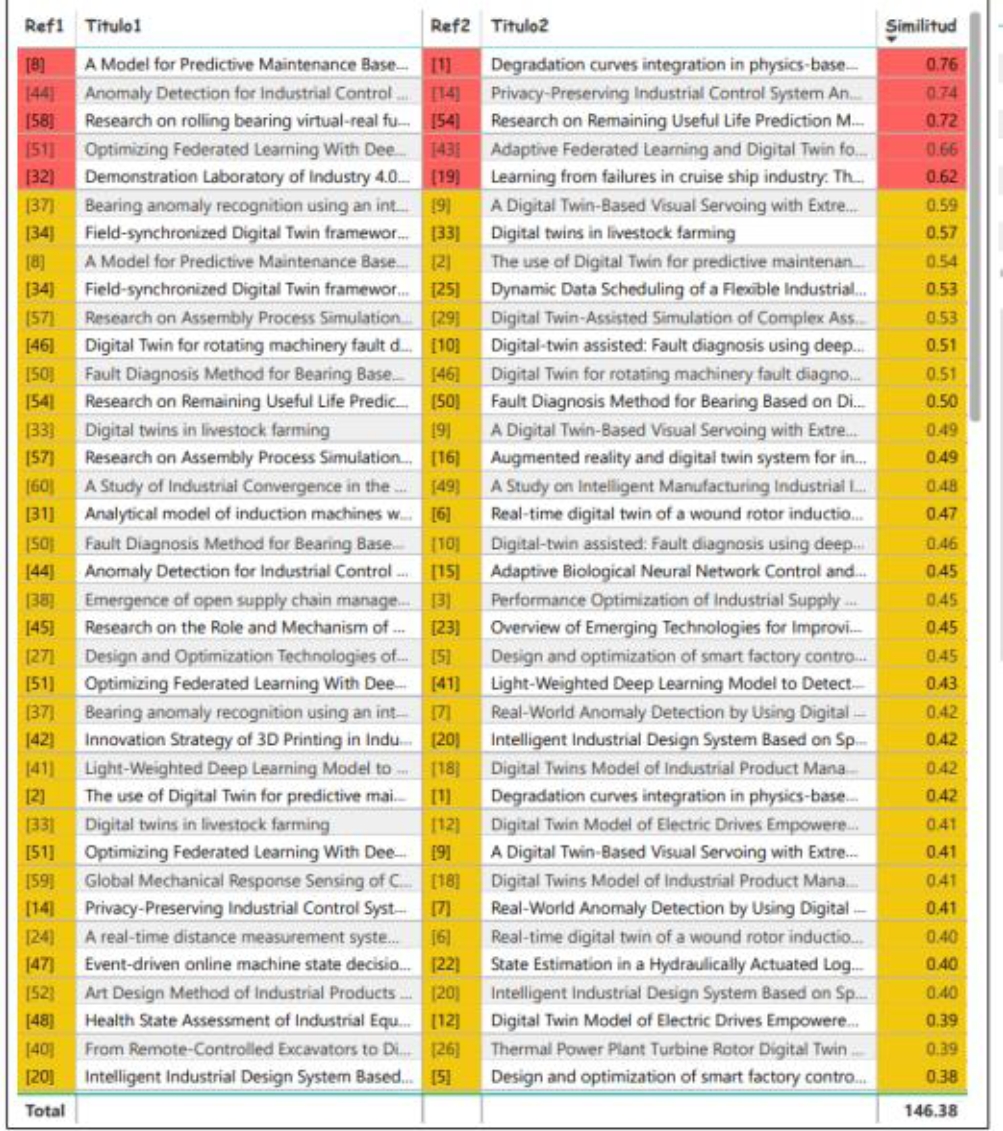
The figure reveals the existence of five instances where there is a similarity index greater than 60% between two papers. Such similarity in titles is quite common in the research field, given that numerous studies can address the same topic to date. It is possible for hundreds or even thousands of studies to focus on a specific subject, which results in similar titles among papers. It is important to note that the presence of similarities in titles is not necessarily negative. Even if titles share some keywords or key concepts, the crucial aspect is that the content and focus of the papers are distinct and offer new perspectives on the topic.
In this particular review, no papers explicitly addressing the topic of title similarity among the selected studies were found [88]. This highlights the originality of this research compared to the existing literature [89]. The lack of previous research on title similarity among papers suggests that this aspect has not been widely explored or analyzed in the specific context of the subject matter [90].
This information is valuable for several purposes. First, it helps identify research trends, as observing how often certain topics or approaches are repeated in paper titles can provide insight into the most relevant and popular areas of interest in the field. Additionally, identifying papers with similarities in their titles allows researchers to detect potential gaps in knowledge. If there is a lack of studies on specific aspects or approaches in the paper titles, it may indicate a need for additional research to cover areas that have not yet been thoroughly explored.
Studying the co-occurrence of keywords in research on this topic helps us identify patterns, trends, and predominant approaches that researchers and experts use to explore the relationship between Digital Twins and Industrial Machinery. Figure 8 presents the keywords that frequently appear in studies on Digital Twins and their impact on Industrial Machinery. Identifying these keywords allows us to gain a clearer view of areas of interest, connections, and main concerns within the academic and professional community in this field.
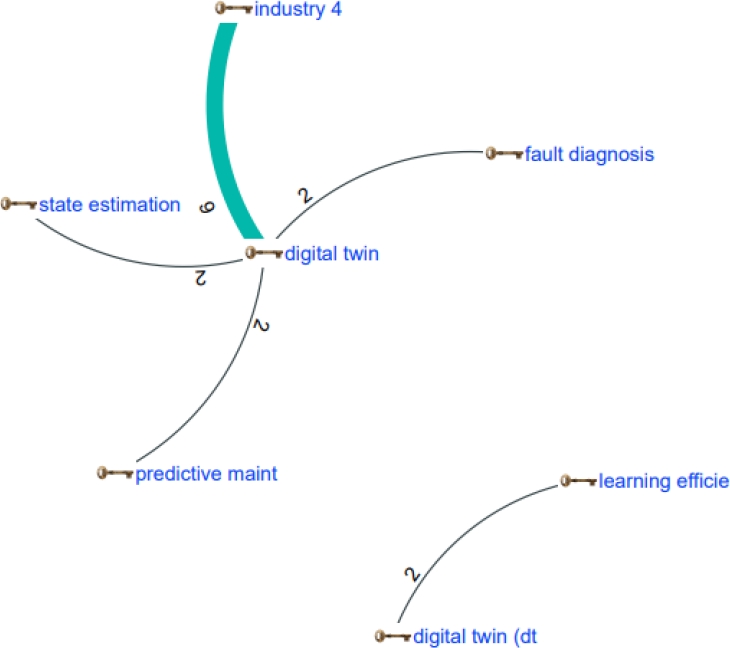
As can be seen, the keywords "digital twin," "industry 4.0," "predictive maintenance," and "fault diagnosis" are the most recurrent and clearly dominate the research field. The concept of "digital twin" appears central in the network, suggesting that digital twins are a key component in the literature, likely due to their importance in simulating and monitoring physical systems in real time. Topics related to technology, maintenance, safety, fault diagnosis, and performance monitoring are at the heart of the research, reflecting the commitment of researchers to building intelligent industrial machinery with greater productivity and long-term sustainability.
The network reflects the interdisciplinary nature of research in Industry 4.0, covering topics ranging from engineering to artificial intelligence and data analysis. Considering keyword co-occurrence in research on Digital Twins and Industrial Machinery is essential to guide future research, improve efficiency in searching for relevant information, and enhance the impact and relevance of studies in this ever-evolving field.
4.2 Responses to Research Questions
This section specifically addresses the five research questions posed at the beginning of the study. Each answer is based on the data and analysis derived from the systematic review conducted, providing a clear and detailed understanding of the key aspects investigated. This part of the document is essential to synthesize the findings and offer a comprehensive perspective on the topics and questions addressed in the study.
RQ1: What technologies are used in a Digital Twin for Industrial Machinery?
Industrial machines, considered essential equipment in manufacturing, incorporate information and communication technologies (ICT) to extend their lifespan and improve efficiency and productivity. Within this framework, certain key technologies emerge as fundamental to the success of digital twins applied to these machines.
To provide a clear view of this landscape, Table 5 presents an enumeration of the most commonly used technologies in the creation and operation of digital twins for industrial machinery, highlighting their relevance and application in the field.
Table 5 Technologies used
| Area | Reference | Qty. (%) |
| internet of things | [2] [3] [5] [6] [9] [10] [12] [13] [18] [20] [21] [22] [23] [24] [25] [27] [28] [29] [31] [35] [37] [38] [39] [41] [42] [44] [46] [47] [48] [56] [57] [59] [61] |
33 (30) |
| big data | [3] [6] [7] [9] [10] [12] [15] [17] [18] [19] [21] [22] [23] [27] [30] [31] [35] [37] [39] [41] [42] [46] [47] [48] [50] [55] [56] [57] [58] |
29 (27) |
| cloud computing | [2] [3] [9] [10] [18] [19] [20] [21] [24] [26] [28] [29] [30] [31] [37] [38] [42] [44] [46] [47] [48] [50] [55] [58] [61] |
25 (23) |
| machine learning | [1] [10] [15] [17] [20] [21] [28] [29] [31] [34] [38] [41] [42] [44] [45] [48] [50] [52] [53] [55] [56] [61] |
22 (20) |
The table provides information on the most commonly used technologies in research, along with the references that support their relevance in the field.
Internet of Things (IoT): The IoT is the most mentioned technology, with 33 references. This indicates its extensive use and importance in industrial machine research. IoT allows for the connection of devices and sensors to collect real- time data, which is essential for monitoring and efficiently managing manufacturing equipment.
Big Data: The second most cited technology is big data, with 29 references. This reflects interest in analyzing and interpreting large volumes of data generated by industrial machines. Big data analysis provides valuable information for informed decision-making and optimization of manufacturing equipment.
Cloud Computing: Cloud computing ranks third, with 25 references. This highlights its role in scalable data storage and processing in industrial machines. Cloud infrastructure allows flexible access to services and applications, facilitating collaboration and efficient resource management.
Machine Learning: Machine learning is mentioned in 22 references. This technology has significant applications in data analysis and task automation for industrial machines. The use of machine learning algorithms helps improve operational efficiency and provides personalized information to operators.
These results suggest that IoT is the predominant technology, which is consistent with the need for interconnection and communication between machines and systems in the context of digital twins. Big Data and Cloud Computing are also essential, reflecting the importance of handling and analyzing large volumes of data and the need for scalable and accessible computing resources. Machine Learning emerges as a key technology, implying a trend toward automation and intelligent optimization.
According to Lim and colleagues [81], a review of studies and research into the various technologies relevant to developing digital twins for industrial machines, from design and simulation to implementation and monitoring, is detailed.
Technologies such as the Internet of Things, big data analytics, virtual reality, and machine learning are evident. Meanwhile, Van Dinter, Tekinerdogan, y Catal [83] highlight how industrial machines have evolved towards a more technological and efficient approach but warn about the lack of a reference architecture for implementing digital twins, as well as the associated risks of inadequate technology integration, as indicated by Yang and other authors [86], which could lead to accidents and economic losses.
It is essential to investigate the technologies used in a Digital Twin in Industrial Machines to guide implementation, identify trends, improve decision-making, and promote collaboration. Understanding these technologies enables comprehension of available tools, awareness of advances, and application of suitable solutions to specific needs and objectives of each industry.
The prominence of IoT indicates that the ability to monitor and control devices in real-time is crucial for the efficient functioning of digital twins. The importance of Big Data and Cloud Computing underscores the growing role of IT infrastructure in managing complex and extensive data.
The significant presence of Machine Learning highlights the push towards autonomous and adaptive systems capable of learning and improving over time. Future research could focus on integrating these technologies synergistically to develop more robust and advanced digital twins.
RQ2: What are the most frequent words in the titles of Digital Twins and Industrial Machines?
The analysis of keywords in the titles of scientific studies is crucial for understanding the predominant themes and approaches in a specific research area. Regarding digital twins in industrial machines, this examination helps identify recurring themes and fundamental aspects addressed in these studies.
A meticulous process of data collection and analysis was carried out, reviewing a wide range of scientific publications. Figure 9 illustrates the most common words found in the titles of the analyzed studies, providing a clear view of the focus areas and prominent areas of research in this field.
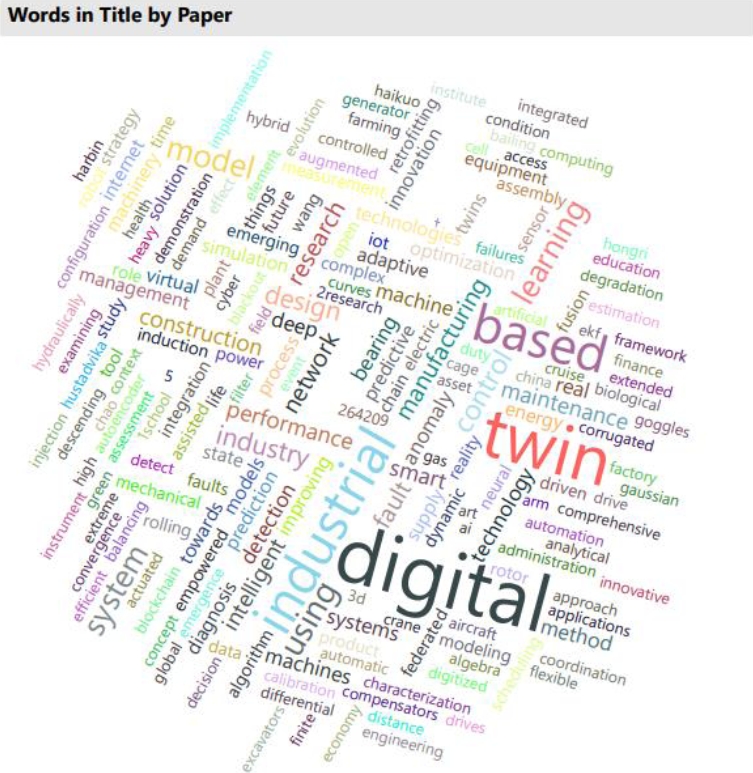
It can be observed in the word cloud that "digital," "twin," and "industrial" are the most frequent words in the titles of the papers used for the systematic review. This suggests a prominent focus on the theme of digital twins in relation to industrial machines and associated technologies. Words like "model," "system," "performance," and "data" are also prominent, indicating a focus on modeling, systems, performance, and data analysis.
Additionally, there is a significant presence of words related to manufacturing, maintenance, and failures, highlighting the importance of these aspects in digital twins and their application to industrial machines.
Moshood et al. [92] identified "digital" and "twin" as the most used words in the selected studies; in this case, the third most used word is "industry" and the fourth is "logistics." It is worth noting that search engines do not differentiate between a word in singular or plural form, thus considering them as different words, which explains why "twin" and "twins" appear as distinct terms in the analysis.
On the other hand, Böttjer et al. [85] identified, in addition to "digital twin," the words "manufacturing," "simulation," and "machine" as the most used. These authors took compound words into account, which may explain the differences in analysis and results between the studies.
Understanding the most used words in the titles regarding the application of digital twins and their impact on industrial machines is crucial to guide future research, identify emerging trends, increase industrial productivity, and provide a solid foundation for exploration and advancement in this ever-evolving field. The frequency of terms related to modeling and performance indicates a focus on the optimization and efficiency of industrial machines.
The emphasis on "data" highlights the importance of analytics and data management in the development of Digital Twins. The presence of these terms points to areas of interest and potential future directions for research in this field.
RQ3: What are the quartile levels of the journals in which research on the effect of digital twins on industrial machines has been published?
Given the vital role of Digital Twins in improving the lifespan and performance of industrial machines, it is essential to assess the quality and impact of research in this field. To that end, a detailed analysis of the scientific journals in which studies related to the impact of Digital Twins on industrial machines have been published was conducted.
This analysis focused on determining the quartile levels of these journals, a key indicator of their prestige and visibility within the academic community. Figure 10 shows the quartile levels assigned to these journals, providing a perspective on their relative standing compared to other publications in the scientific domain. These quartile levels are based on the journal impact factor, serving as a reflection of their ranking and recognition within the academic community.
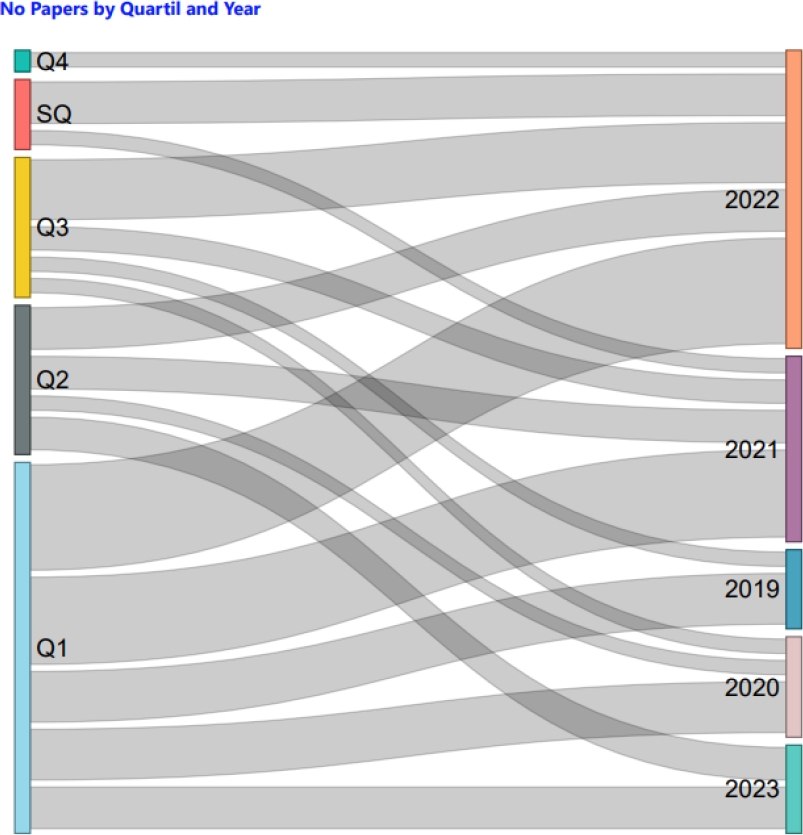
In the presented figure, a significant variety of 61 papers can be observed in terms of their themes and their relationship with the quartiles of the journals in which they were published.
It is worth noting that scientific journals are often classified at different levels according to their quality and impact in the academic field. The concept of "quartile" is referenced as a measure used to evaluate and classify the level of scientific journals. The quartile system divides journals into four distinct categories: Q1, Q2, Q3, and Q4. The Q1 level represents journals of the highest quality and impact, while the Q4 level indicates journals of lower quality and impact.
More than half of the 61 analyzed papers were published in Q1-level journals. This implies that most of the papers are found in high-impact and highly recognized journals in their respective fields of study. These journals are typically highly selective and publish research considered to be of high relevance and quality. The lesser presence in Q4 and journals without a quartile (WQ) suggests that although the topic extends to a broader range of journals, the most influential research is concentrated in higher-impact journals.
Within the mentioned scope, it is indicated that, to date, no review-type research specifically addresses the topic of the quartile level of journals. This situation can be considered a favorable aspect for the present research, as it represents a difference and a novel contribution compared to previous studies.
The absence of review research on the quartile level of journals suggests that this particular approach has not been widely explored or documented in the scientific literature to date.
The trend towards publications in high-quartile journals could motivate researchers to focus their work on topics more likely to be accepted in these journals. It could also influence the allocation of research funding, as funders often prefer projects aiming for high-impact publications.
Researchers can use this information to guide their publication strategies, targeting high-quartile journals to gain greater visibility and recognition in the scientific community.
The distribution of publications by quartiles and years can serve as an indicator of the development and maturity of the field of study of digital twins in industrial machines, as well as the perception of its importance in different subfields of engineering and technology.
RQ4: Which Are the Most Productive Scientific Journals on Digital Twin and Its Impact on Industrial Machines?
Scientific journals play a fundamental role in the dissemination of knowledge and communication of research across various fields, including the realm of digital twins and their impact on industrial machines. These publications are crucial as they offer a platform for researchers to share their findings, theories, and analyses with the scientific community and the general public.
Identifying the most productive journals in this specific field is vital for researchers and academics to access leading sources of information, stay abreast of quality research, and remain updated with the latest advances.
Through an exhaustive bibliometric analysis and detailed review of a wide set of scientific papers published in specialized journals, those publications that have significantly contributed to the study of digital twins in industrial machines have been identified.
Table 6 presents the scientific journals identified as the most productive in this field, thus providing a valuable guide for future consultation and research.
Table 6 Number of papers per publication
| Publication Name | 2019 | 2020 | 2021 | 2022 | 2023 | Total |
| Computational Intelligence and Neuroscience | 0 | 0 | 0 | 7 | 0 | 7 |
| Sensors | 1 | 1 | 2 | 0 | 1 | 5 |
| IEEE Access | 1 | 1 | 0 | 2 | 0 | 4 |
| Mathematical Problems in Engineering | 0 | 0 | 1 | 3 | 0 | 4 |
| Discrete Dynamics in Nature and Society | 0 | 0 | 0 | 3 | 0 | 3 |
| IEEE Transactions on Industrial Informatics | 0 | 0 | 2 | 0 | 1 | 3 |
| Journal of Sensors | 0 | 0 | 2 | 1 | 0 | 3 |
| Applied Sciences | 0 | 0 | 1 | 0 | 1 | 2 |
| Energies | 0 | 1 | 0 | 1 | 0 | 2 |
| International Journal of Intelligent Systems | 0 | 1 | 0 | 1 | 0 | 2 |
| Sustainability | 0 | 0 | 0 | 1 | 1 | 2 |
| Geofluids | 1 | 0 | 1 | 0 | 0 | 2 |
| Advances in Multimedia | 0 | 0 | 1 | 0 | 0 | 1 |
| Engineering Failure Analysis | 0 | 0 | 0 | 0 | 1 | 1 |
| …. | …. | …. | …. | …. | …. | …. |
| TOTAL | 6 | 7 | 15 | 26 | 7 | 61 |
It can be observed that the publications or journals contributing the most papers to the research are Computational Intelligence and Neuroscience, Sensors, and IEEE Access. Computational Intelligence and Neuroscience had a significant increase in publications in 2022, suggesting interest or a special event related to the topic. Sensors focuses on research and advances in the field of sensors and sensor systems, which are used in Industrial Machines.
Lastly, IEEE Access is a multidisciplinary journal published by the Institute of Electrical and Electronics Engineers; it accepts and publishes papers from various areas of engineering and technology, including electronics, computer science, electrical engineering, communications, robotics, artificial intelligence, energy, among other fields.
According to Böttjer and other authors [85], in their review paper, they identify the International Journal of Advanced Manufacturing Technology as the most productive journal in terms of papers related to the topic of Industrial Machines. However, in the present research, it does not rank among the top in productivity.
On the other hand, Moiceanu and Paraschiv [87], in their study, point out that IEEE Access is the main journal contributing the most research to the review, followed by Sensors. However, the most productive journal is Manufacturing Science and Technology in the systematic review paper by author Jones and colleagues [82].
Journals with a higher number of publications can be considered leaders in the field, serving as references for future research. Researchers can identify the most productive publications, the most influential researchers, the most prominent collaborations, and the most relevant thematic areas in the field of digital twins and their impact on Industrial Machines.
The peak of publications in 2022 in a particular journal could influence future research and collaboration efforts, indicating emerging focus areas or special interest in the topic of digital twins. This information can be useful to understand the existing research landscape, identify collaboration opportunities, establish connections with field leaders, and guide future investigations in the area.
RQ5: Which Are the Clusters of Papers Whose Abstracts Are Characterized by High and Low Polarity in Research on the Digital Twin and Its Impact on Industrial Machines?
Analyzing the objectivity and polarity in the abstracts or conclusions of scientific papers is crucial. Objectivity refers to how impartial and neutral the presentation of information is, while polarity indicates whether the statements expressed have a positive or negative tendency. Studying these elements helps identify papers that stand out for their high objectivity and low polarity in their abstracts or conclusions, indicating a balanced and unbiased approach in their research. This analysis is important to understand the nature of research in the field of digital twins and their impact on industrial machines, highlighting studies that offer more balanced assessments or those that may have bias in their findings.
For this purpose, the k-means algorithm is utilized. This algorithm seeks to group data into k clusters, where k is a predefined number. The goal is to minimize the variance within each cluster and maximize the separation between clusters.
Distance Calculation: To apply the k-means algorithm, a measure of distance between studies needs to be defined. A common option is the Euclidean distance. Given two studies A and B, the Euclidean distance is calculated using the following formula:
where ai and bi are the attribute values of studies A and B, respectively. The attributes can be relevant numerical features, such as keywords, word frequencies, topics, etc.
Now we briefly present K-Means Algorithm:
Initialization: Select k random studies as initial centroids.
Assignment of Points: Assign each study to the nearest centroid using the defined distance.
Centroid Update: Recalculate the centroid of each cluster as the average of the studies assigned to that cluster.
Iteration: Repeat steps b and c until the centroids of the clusters do not change significantly.
Once the clusters are obtained, it is important to evaluate their quality. Common measures to assess cluster quality include within-cluster variance and separation between clusters.
In this study, we investigate the results obtained when evaluating the objectivity and polarity of the abstracts or conclusions of scientific papers focused on the digital twin and its impact on industrial machines.
To perform this analysis, a methodology integrating natural language processing techniques and text mining was employed. This approach allowed for a detailed and quantitative exploration of the texts, facilitating the identification of trends in terms of objectivity and bias in the paper abstracts.
The details and results of this analysis are visualized in Figure 11, which illustrates the distribution and characteristics of the objectivity and polarity found in the studied abstracts. As can be observed, the previously selected 61 papers are divided into four clusters. The X-axis represents objectivity, and the Y-axis represents polarity. When we refer to "high objectivity," it means that the abstracts of the papers are based on data, evidence, and concrete facts without including opinions. The presented information is impartial and focuses on providing a neutral view of the research results.
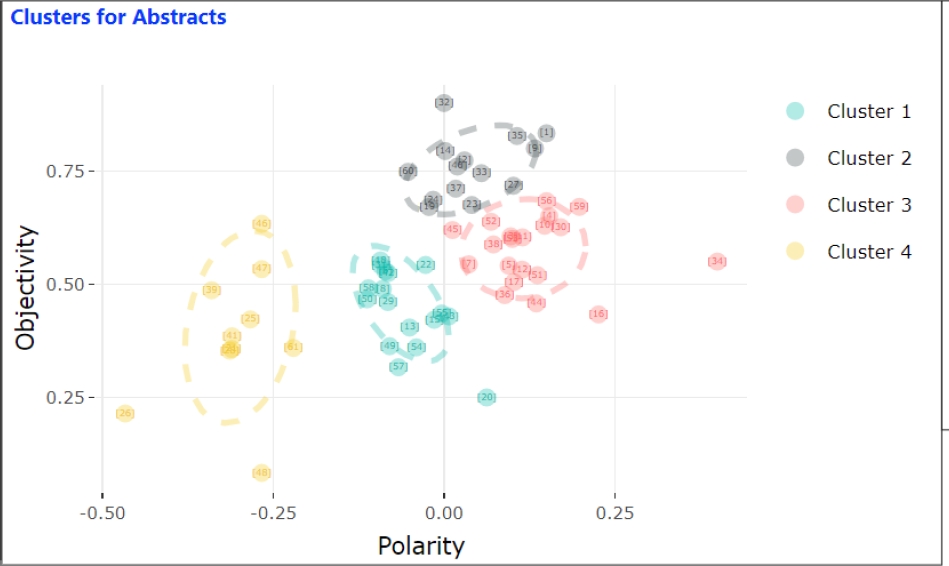
Fig. 11 Paper clusters by abstract polarity as can be observed, the previously selected 61 papers are divided into four clusters
Regarding "low polarity," it indicates that the abstracts avoid expressing strongly favorable or unfavorable opinions and focus on offering a balanced evaluation of the studied aspects. For example, in the figure, Cluster 1 in black represents a negative value on both the X and Y axes, while Cluster 3 in red tends toward a positive value in both aspects.
In the mentioned domain, to date, no systematic review studies have been found that specifically address the topic of clusters by journal abstracts. This situation can be considered an advantage for the present research, as it represents a difference and a novel contribution compared to previous studies.
The lack of review research on clusters of journal abstracts suggests that this particular approach has not been widely explored or documented in the scientific literature until now, and we are very likely pioneers in this aspect.
By conducting this analysis, researchers can identify the papers whose abstracts or conclusions are characterized by high objectivity and low polarity in studies on the Digital Twin and its impact on Industrial Machines. This provides an overview of the most impartial and fact-based research in the field, which can be useful for obtaining objective and reliable information for future research, literature reviews, and informed decision-making.
The arrangement of papers in clusters can help researchers perform sentiment analysis, identifying general trends in the literature on the digital twin and its impact on industrial machines. Understanding the clusters can guide researchers on which papers might be more informative and less biased (papers with high objectivity) or which present a more critical or enthusiastic analysis (papers with high polarity).
5 Conclusions and Future Research
The present study provides a detailed analysis of the technologies employed in digital twins for industrial machines, addressing Research Question 1 (RQ1) through bar charts that facilitate the identification of predominant technologies. Additionally, by utilizing word clouds, Research Question 2 (RQ2) has been addressed, revealing the most frequent terminologies in titles related to digital twins and industrial machines. Furthermore, Research Question 5 (RQ5) has been explored, where clusters of papers are presented according to the polarity of their abstracts, and the interconnections between countries in research on the impact of digital twins have been examined.
It is important to note that the mathematical models underpinning each type of chart have been outlined. This exhaustive analytical work has been conducted through the evaluation of 61 papers selected using a systematic and rigorous method, reflecting a commitment to a meticulous systematic literature review.
Despite the novelty and popularity of the topic, it was possible to identify the most prominent journals in terms of the volume of papers published. Moreover, the predominant technologies and the most relevant application areas of the digital twin in the industrial sector were discovered.
It is recommended to consider the findings of this study in future research, as an exhaustive systematic review has provided precise and detailed data in response to the formulated research questions. This information is of great value as a starting point for conducting additional research on the subject matter.

